How to Get Better Sleep: Tips From a Mattress Maker

Getting better sleep usually comes down to two things: what you do before bed and what you sleep on. After years of handcrafting mattresses and talking with customers about their sleep problems, we’ve seen the same patterns over and over. People try supplements, apps, and white noise machines, but they overlook the basics, like a consistent schedule, a cool dark room, and a mattress that actually fits their body.
Below, we’ll walk through the changes that make the biggest difference, starting with quick wins and working toward the one upgrade that affects every single night of sleep you’ll ever have.
What Actually Helps You Sleep Better?
The short answer: consistency, environment, and your sleep surface.
Most adults need seven to nine hours of sleep per night. But quantity alone isn’t enough. Sleep quality depends on how quickly you fall asleep, how often you wake during the night, and how much time you spend in deep and REM sleep stages. Poor sleep quality is linked to weakened immunity, difficulty concentrating, higher stress levels, and increased risk of weight gain and cardiovascular problems.
The good news is that most sleep issues respond to practical changes. You don’t need expensive gadgets or complicated routines. You need a dark, cool room, a predictable schedule, and a mattress that supports your body without creating pressure points or trapping heat.
Build a Sleep Schedule That Sticks
Your body runs on a circadian rhythm, an internal clock that responds to light, meals, and routine. When your sleep and wake times shift from day to day, that clock gets confused, and falling asleep becomes harder.
Here’s what works:
- Pick a wake-up time and keep it consistent, even on weekends. Your body adjusts faster to a fixed wake time than a fixed bedtime.
- Set a “wind-down” alarm 30 to 60 minutes before you want to be asleep. Use that window to dim lights and step away from screens.
- Avoid long naps after 2 p.m. A short 20-minute nap earlier in the day is fine, but late or long naps steal from nighttime sleep pressure.
It takes about one to two weeks for a new sleep schedule to feel natural. Stick with it, even if the first few nights feel off.
Set Up Your Bedroom for Better Sleep
Your bedroom environment has a direct effect on how fast you fall asleep and how often you wake up. Think of it as sleep infrastructure: the better the setup, the less effort it takes to rest well.
Temperature and Air Quality
Most people sleep best in a room between 65 and 68 degrees Fahrenheit. A room that’s too warm forces your body to work harder to cool down, which disrupts deep sleep stages.
If your bedroom tends to run warm or stuffy, a fan or air purifier can help with airflow. Clean air also reduces nighttime congestion and allergy symptoms that cause restless sleep.
Light and Screen Exposure
Light is the strongest signal to your circadian rhythm. Blue light from phones, tablets, and laptops suppresses melatonin production, the hormone that tells your body it’s time to sleep.
- Stop using screens at least 30 minutes before bed. If that feels impossible, use a blue-light filter or switch to a dimmer, warmer screen setting.
- Use blackout curtains or a sleep mask if outside light enters your room. Even small amounts of light from streetlamps or early sunrise can reduce sleep depth.
Sound and Scent
Sudden noises, not just loud ones, are what wake most people. If you live in a noisy area, a white noise machine or a simple fan provides steady background sound that masks disruptions.
Some people find that calming scents like lavender or chamomile help them relax before bed. A few drops of essential oil on your pillowcase or in a diffuser is enough. This isn’t a cure for sleep problems, but it can support a calming pre-sleep routine.
How Your Mattress Affects Sleep Quality
This is where our experience matters most. We build mattresses by hand at our facilities in Palm Harbor and Venice, Florida, and we talk with customers every day about how their sleep surface affects their rest. A worn-out or poorly matched mattress is one of the most common and most overlooked causes of poor sleep.
Here’s how your mattress directly affects the quality of your sleep:
Spinal Alignment and Pressure Relief
When you lie down, your mattress should keep your spine in a neutral position, meaning your head, shoulders, hips, and feet stay roughly in line. A mattress that’s too soft lets your hips sink, curving your lower back. One that’s too firm pushes against your shoulders and hips, creating pressure points that make you toss and turn.
Pressure points are the main reason people wake up with numbness, tingling, or soreness. A mattress that distributes your weight evenly, supporting heavier areas like your hips while cushioning your shoulders, reduces the need to shift positions throughout the night.
If you’re not sure whether your current mattress is supporting your spine properly, our guide on how to choose a mattress walks through what to look for based on your sleep position and body type.
Motion Transfer and Partner Disturbance
If you share a bed, your partner’s movements can pull you out of deep sleep without fully waking you. Over time, this fragmented sleep adds up. Mattresses with individually wrapped coils or latex layers absorb movement better than older innerspring designs, keeping motion on one side of the bed.
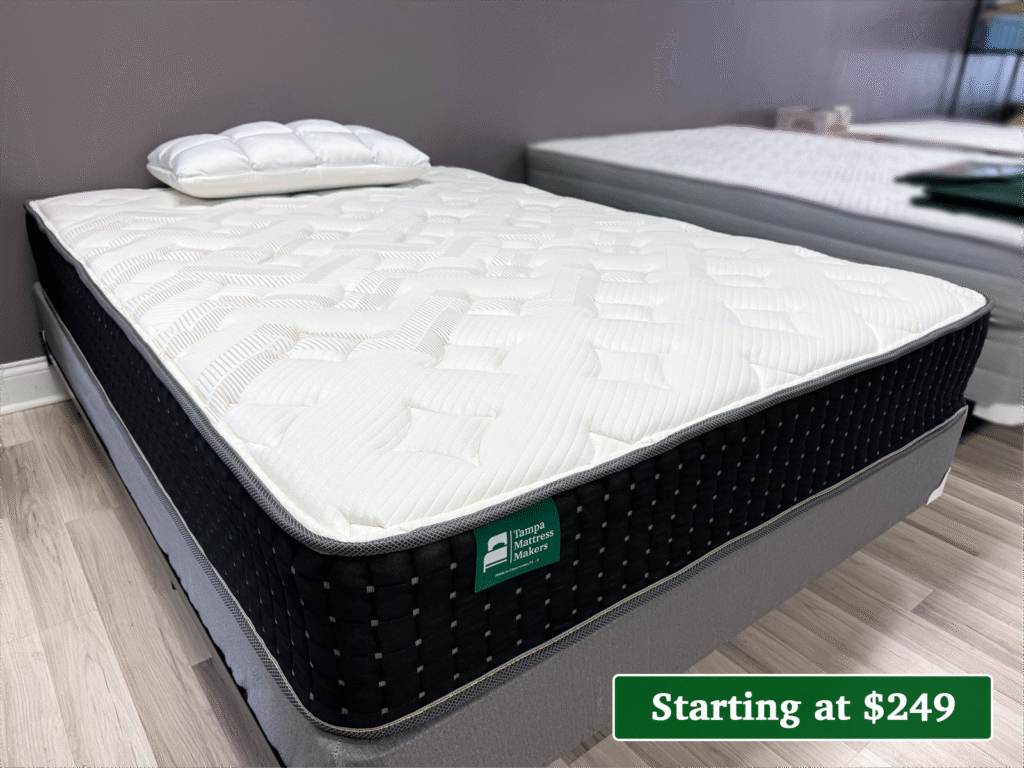
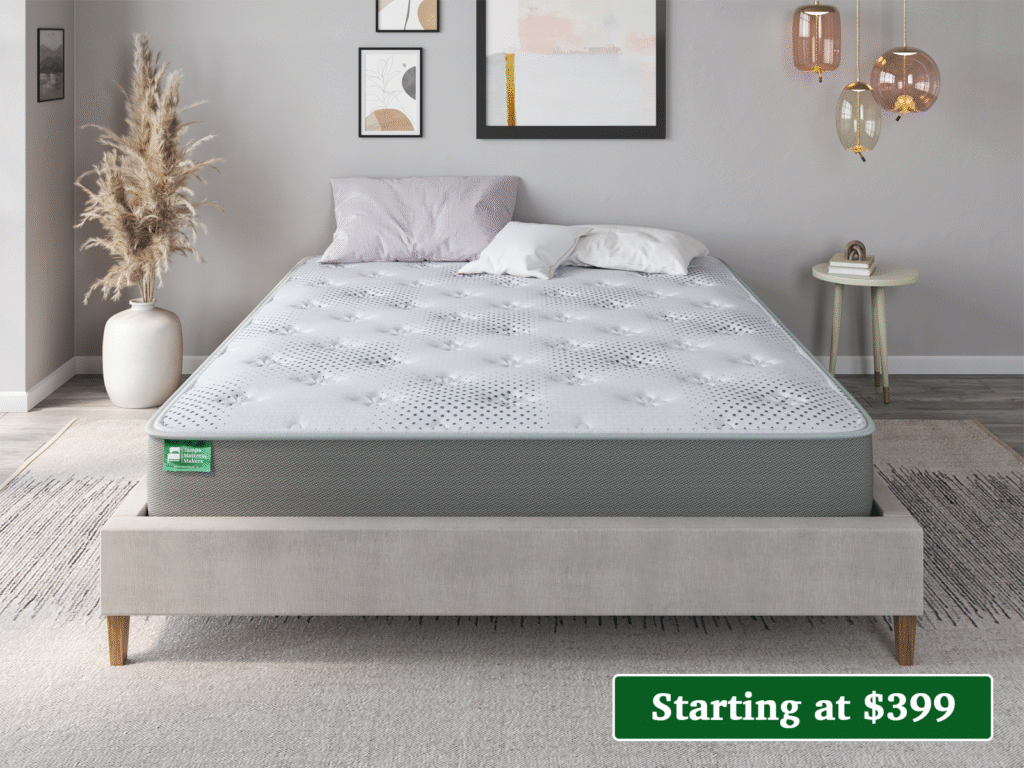
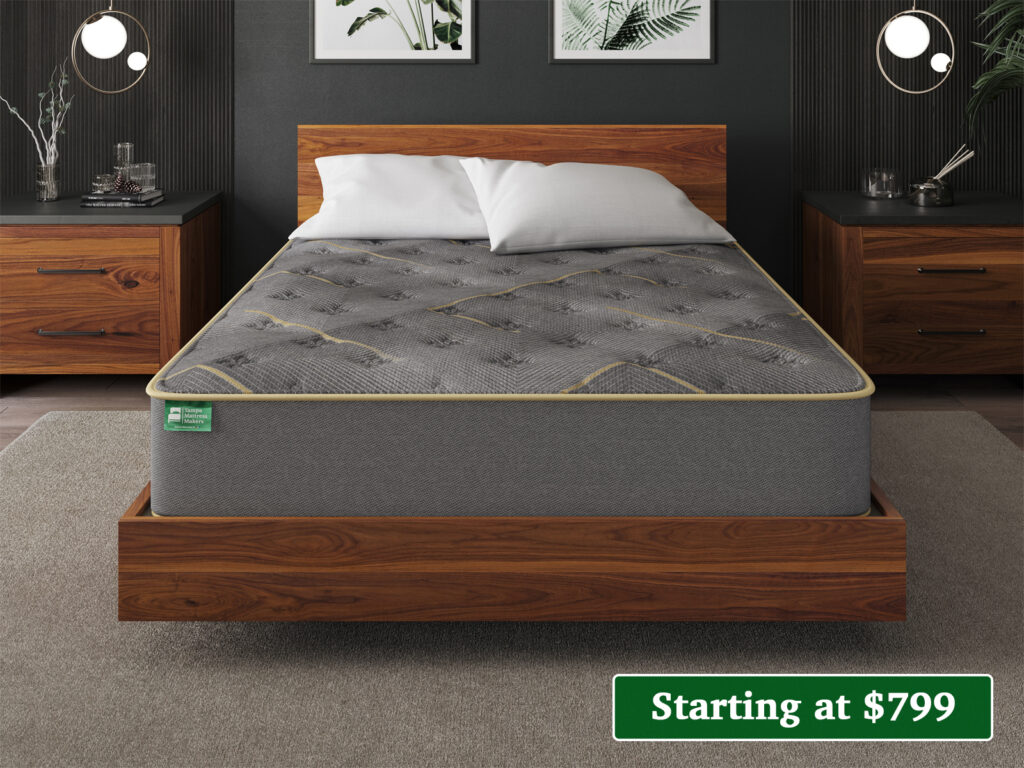
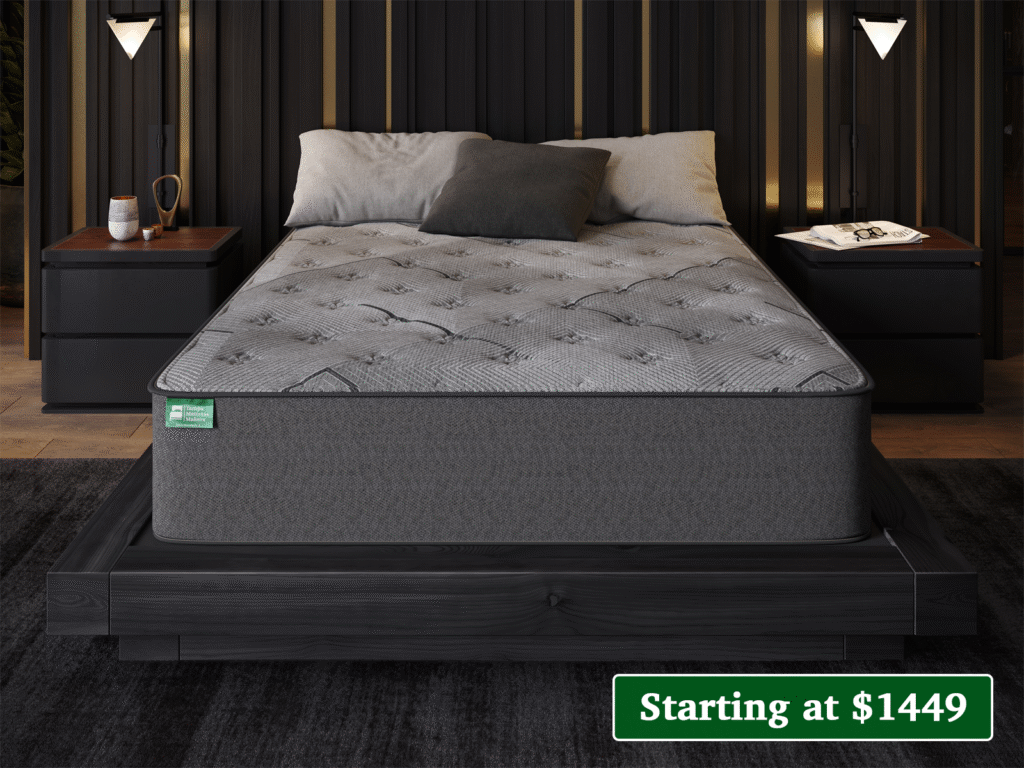
This is one of the reasons we offer models like our Belleair latex hybrids, which combine responsive latex with pocketed coils to limit motion transfer while still providing support.
Temperature Regulation
Sleeping hot is one of the top complaints we hear. Memory foam mattresses, especially older or lower-quality ones, trap body heat because they restrict airflow. That buildup of warmth forces your body to work harder to regulate its temperature, which pulls you out of the deeper sleep stages where physical recovery happens.
Mattresses built with breathable materials, like natural latex, gel-infused foams, or coils that allow air to circulate, help maintain a more stable sleeping temperature. If you tend to sleep warm, the material and construction of your mattress matters more than most people realize.
When Your Mattress Is the Problem
Not sure if your mattress is hurting your sleep? A few signs to watch for:
- You wake up stiff or sore, but the pain fades within 30 minutes of getting up.
- You sleep better in hotels or at someone else’s home.
- Your mattress has visible sagging, lumps, or impressions deeper than an inch.
- You’ve had the same mattress for eight or more years.
If any of these sound familiar, it may be time for a closer look. Our article on signs it’s time to replace your mattress covers this in more detail.
We handcraft every mattress we sell, which means we control the materials and construction from start to finish. Every mattress uses CertiPUR-US certified foams, and our 100-Night Comfort Adjustment Program means you’re not locked into a feel that doesn’t work for you. If something isn’t right, we adjust it.
Wondering what mattress size fits your bedroom and sleep style? Our mattress size chart is one of the most visited pages on our site for a reason. It breaks down dimensions, room size recommendations, and who each size works best for.
Other Habits That Support Better Sleep
Your mattress and bedroom setup lay the foundation, but daily habits play a role too.
Wind-Down Routines
A consistent pre-sleep routine signals your brain that it’s time to shift gears. This doesn’t need to be elaborate. Reading a physical book, stretching, or taking a warm shower all work. The key is doing the same sequence of activities in the same order each night.
Avoid stimulating activities close to bedtime. Intense exercise, work emails, and stressful conversations all raise cortisol levels, which makes it harder to fall asleep.
Food, Caffeine, and Alcohol Timing
What you consume and when matters for sleep:
- Caffeine: Has a half-life of about five to six hours. A cup of coffee at 3 p.m. still has half its caffeine in your system at 9 p.m. Set a personal cutoff time, most people do well stopping by early afternoon.
- Alcohol: While it can make you feel drowsy, alcohol disrupts REM sleep and often causes middle-of-the-night waking. Limiting drinks to earlier in the evening gives your body more time to process it before bed.
- Heavy meals: Eating a large meal within two hours of bedtime can cause discomfort and acid reflux that interfere with falling asleep. A light snack is fine if you’re hungry.
For a more detailed breakdown of how lifestyle factors and mattress choice work together, our mattress buying tips guide covers the full picture.
Ready to Sleep Better?
Your mattress is the foundation of every night’s rest. If you’re ready to find one that fits your body and sleep style, visit our showrooms in Palm Harbor or Venice to test our handcrafted collections in person. Not sure where to start? Our mattress buying guide can help you narrow down the right type and firmness. Every Tampa Mattress Makers mattress comes with a 100-Night Comfort Adjustment Program so you can be sure it’s right.
Frequently Asked Questions About Better Sleep
How many hours of sleep do I actually need?
Most adults need seven to nine hours per night. The exact amount varies by person, but consistently getting less than seven hours is associated with reduced immune function, difficulty focusing, and higher stress levels. Pay attention to how you feel after different amounts of sleep rather than targeting a single number.
Can a new mattress really help me sleep better?
Yes, if your current mattress is worn out, too firm, too soft, or trapping heat. A mattress that properly supports your spine and distributes pressure evenly reduces tossing and turning, which means more time in deep and REM sleep. Many of our customers report noticeable improvement within the first few weeks of switching.
What is the best room temperature for sleeping?
Between 65 and 68 degrees Fahrenheit for most people. A cooler room helps your core body temperature drop, which is a natural part of the sleep cycle. If you tend to sleep warm, your mattress material matters too, since some foams trap heat more than others.
How do I know if my mattress is causing my sleep problems?
Common signs include waking up with stiffness or soreness that fades within 30 minutes, sleeping better away from home, visible sagging or impressions in your mattress, or having the same mattress for eight or more years. If any of these apply, your mattress is worth evaluating.
Does screen time before bed really affect sleep?
It does. Blue light from phones and tablets suppresses melatonin, the hormone that signals your body to prepare for sleep. Reducing screen use 30 minutes before bed, or using blue-light filters, helps your body transition to sleep more naturally.
Sleep Better Starting Tonight
Better sleep doesn’t require a complete lifestyle overhaul. Start with the changes that cost nothing: a consistent wake-up time, a cooler and darker bedroom, and less screen time before bed. Those small shifts often produce noticeable results within a week or two.
If you’ve made those changes and still aren’t sleeping well, your mattress is worth a hard look. We build every mattress by hand at our locations in Palm Harbor and Venice, and we’re happy to talk through what might work better for you. Stop by a showroom, or browse our mattress collections online to see what we offer.