
You spend roughly a third of your life on your mattress. That’s about 2,500 hours a year of direct contact with a surface that slowly breaks down over time. Knowing when to replace your mattress can make a real difference in how you sleep, how you feel during the day, and how your body holds up over the long run.
Here’s the short answer: most mattresses should be replaced every 7 to 10 years. But the actual timeline depends on the type of mattress you own, how well you’ve maintained it, and whether your body is already telling you it’s time for a change.
This guide covers how long different mattress types last, the 10 clearest warning signs that yours needs replacing, and practical steps to extend the life of your next mattress.
How Long Do Mattresses Last?
The average mattress lasts between 7 and 10 years. That said, not all mattresses are built the same way, and the materials inside yours play a big role in how long it holds up.
Innerspring Mattress Lifespan
Traditional innerspring mattresses typically last 5 to 7 years. The steel coils lose tension over time, leading to sagging and reduced support. Lower coil counts and thinner gauge wire tend to wear out faster. If your innerspring mattress is past the 6-year mark and you’re noticing dips where you sleep, it’s likely past its useful life.
Memory Foam Mattress Lifespan
Quality memory foam mattresses generally last 8 to 10 years. The foam gradually loses its ability to bounce back to its original shape, a process called compression fatigue. Higher-density foams (4 lb/ft3 and above) hold up longer than budget-grade options. Heat and humidity speed up foam breakdown, which is worth noting if you live in a warm climate like Florida.
Latex Mattress Lifespan
Latex is one of the most durable mattress materials available. A natural latex mattress can last 12 to 15 years or more with proper care. Natural latex resists dust mites and mold better than most foams, and it maintains its resilience longer. Synthetic latex blends don’t last quite as long, usually 8 to 10 years, but still outperform most innerspring options.
Hybrid Mattress Lifespan
Hybrid mattresses combine coils with foam or latex layers. Their lifespan falls somewhere in the middle: roughly 7 to 10 years depending on the quality of both the coil system and the comfort layers. The foam layers in a hybrid tend to be the first components to wear out, even if the coils underneath are still functioning well.
Bottom line: Your mattress type sets the baseline, but how you use and care for it determines whether you get closer to the low end or the high end of that range.
How Often Should You Change Your Mattress?
The general recommendation is every 7 to 10 years, but that number isn’t a hard rule. Some people need to replace theirs sooner. Others can stretch it longer.
A few factors shorten the timeline:
- Body weight. Heavier sleepers compress mattress materials faster. If you or your partner weigh over 230 pounds, expect to replace your mattress closer to the 5- to 7-year mark.
- Frequency of use. A guest room mattress used a few times a year will outlast one that’s slept on every night.
- Climate. In humid environments like Tampa and the Gulf Coast of Florida, moisture can accelerate foam degradation and create conditions where mold, mildew, and dust mites thrive. That means a mattress in Florida may not last as long as the same mattress in a dry climate.
- Maintenance. Using a protector, rotating regularly, and keeping it clean all add years to your mattress.
Rather than watching the calendar, pay attention to how your mattress feels and how you feel after sleeping on it. The signs below are more reliable than any expiration date.
Mattresses that travel age faster. Road vibration, temperature swings and humidity break foam down years ahead of the same mattress in a bedroom, so a camper or motorhome bed often needs replacing well inside the seven-to-ten-year window. Our guide to the best RV mattress covers what holds up on the road and how to size a replacement to your platform.
Why Replacing Your Mattress Matters
A worn-out mattress doesn’t just feel uncomfortable. It can quietly affect your health in ways you might not connect back to your bed.
Sleep Quality and Recovery
Your body does its deepest repair work during sleep. Muscle tissue rebuilds, hormones regulate, and your brain processes the day’s information. A mattress that no longer supports your spine properly disrupts that recovery cycle. Research from the Sleep Foundation and the National Institutes of Health consistently links poor sleep surfaces to lighter, more fragmented sleep, even when you’re spending a full 8 hours in bed.
Over time, reduced sleep quality compounds. You may feel sluggish during the day, have trouble concentrating, or notice slower physical recovery after exercise. Our guide on how to get better sleep covers practical changes that work alongside a good mattress. These are signs your sleep environment is working against you, not for you.
Allergy and Respiratory Health
Every mattress accumulates dust mites, dead skin cells, body oils, and microscopic debris over the years. An older mattress can harbor millions of dust mites, and their waste is one of the most common indoor allergens.
This is especially relevant in Florida. The warm, humid climate along the Gulf Coast creates ideal breeding conditions for dust mites and mold spores. If you’ve noticed worsening congestion, sneezing, or itchy eyes, particularly in the morning, your mattress could be a contributing factor. Even with regular cleaning, a mattress older than 7 to 8 years has absorbed enough material that no amount of vacuuming fully addresses the buildup.
Stress and Mental Wellbeing
Poor sleep raises cortisol levels and lowers your threshold for stress. A 2009 study published in the Journal of Chiropractic Medicine found that participants who replaced their old mattresses reported significant reductions in stress and improvements in sleep quality within 28 days. The connection is straightforward: when your body can’t fully relax and recover at night, everything during the day feels harder.
10 Signs It’s Time to Replace Your Mattress
Not sure whether your mattress still has life left? These are the most reliable indicators that it’s time for a new one.
1. Visible Sagging or Lumps
Run your hand across the surface of your mattress. If you feel dips, valleys, or uneven lumps, the internal materials have broken down. Sagging of even 1 to 1.5 inches can throw your spinal alignment off and create pressure points. This is the single most obvious sign that a mattress needs replacing, and no topper will fix structural sagging.
2. You Wake Up with Aches and Pains
Morning stiffness in your lower back, shoulders, or hips that goes away within 15 to 30 minutes of getting up is a classic sign of poor mattress support. Your mattress should hold your spine in a neutral position all night. When it can’t do that anymore, your muscles and joints compensate, and you feel it first thing in the morning.
If you didn’t have these aches a year or two ago and nothing else about your health has changed, your mattress is the most likely cause.
3. You Sleep Better Elsewhere
Pay attention to how you sleep in hotels, at a friend’s house, or even on the couch. If you consistently wake up feeling more rested somewhere other than your own bed, that’s a strong signal. Your mattress should be the most comfortable surface you sleep on. When it’s not, the materials have deteriorated past the point of providing proper support.
4. You Toss and Turn at Night
Some movement during sleep is normal. But if you or your partner have noticed a significant increase in tossing and turning, your mattress may no longer be relieving pressure effectively. When a surface can’t cushion your hips and shoulders properly, your body shifts positions more frequently to find relief. The result is lighter, more disrupted sleep.
5. Noticeable Allergies or Asthma Symptoms
Waking up with a stuffy nose, itchy eyes, or a scratchy throat, especially when those symptoms aren’t present during the rest of the day, points to allergen buildup in your mattress. As noted above, this is particularly common in the Tampa Bay area, where heat and humidity create a favorable environment for dust mites and mold. If allergy medication helps during the day but your symptoms flare overnight, your mattress deserves scrutiny.
6. Creaking or Noise When You Move
Squeaks, creaks, or grinding sounds when you shift positions typically mean the internal support system is wearing out. In innerspring and hybrid mattresses, this usually indicates the coils are losing integrity or the connections between them are breaking down. A noisy mattress is a mattress that’s no longer structurally sound.
7. You Feel Your Partner’s Movements
If every time your partner rolls over, adjusts a pillow, or gets out of bed you feel it on your side, the mattress has lost its motion isolation. This is especially common in older innerspring models where coil systems are interconnected. Modern mattresses, particularly those with individually wrapped coils or foam layers, are designed to minimize motion transfer. If yours can’t do that anymore, it’s a quality-of-life issue worth addressing.
8. It’s Over 7 to 10 Years Old
Age alone doesn’t disqualify a mattress, but it’s a useful checkpoint. If your mattress is approaching or past the 7-year mark and you’re experiencing any of the other signs on this list, the age confirms what you’re feeling. Even mattresses that look fine on the surface lose internal support over time. The foam compresses, the coils weaken, and the comfort layers flatten in ways that aren’t always visible.
9. The Surface Looks and Feels Worn Out
Stains, pilling, fraying edges, and thinning fabric are all signs of wear. Beyond cosmetics, surface deterioration often means the materials underneath are in similar condition. If the cover fabric is breaking down, the foam and padding beneath it are likely compromised too.
10. Your Body Needs Have Changed
Your mattress might still be in decent shape, but you’ve changed. Weight gain or loss, a new injury, surgery, pregnancy, or the natural effects of aging can all shift what your body needs from a sleep surface. A mattress that worked perfectly five years ago may no longer match your current support and comfort requirements. This is one of the most overlooked reasons to replace a mattress.
Tips for Extending Your Mattress’s Life
Once you invest in a new mattress, these habits will help you get the most out of it.
Use a Mattress Protector
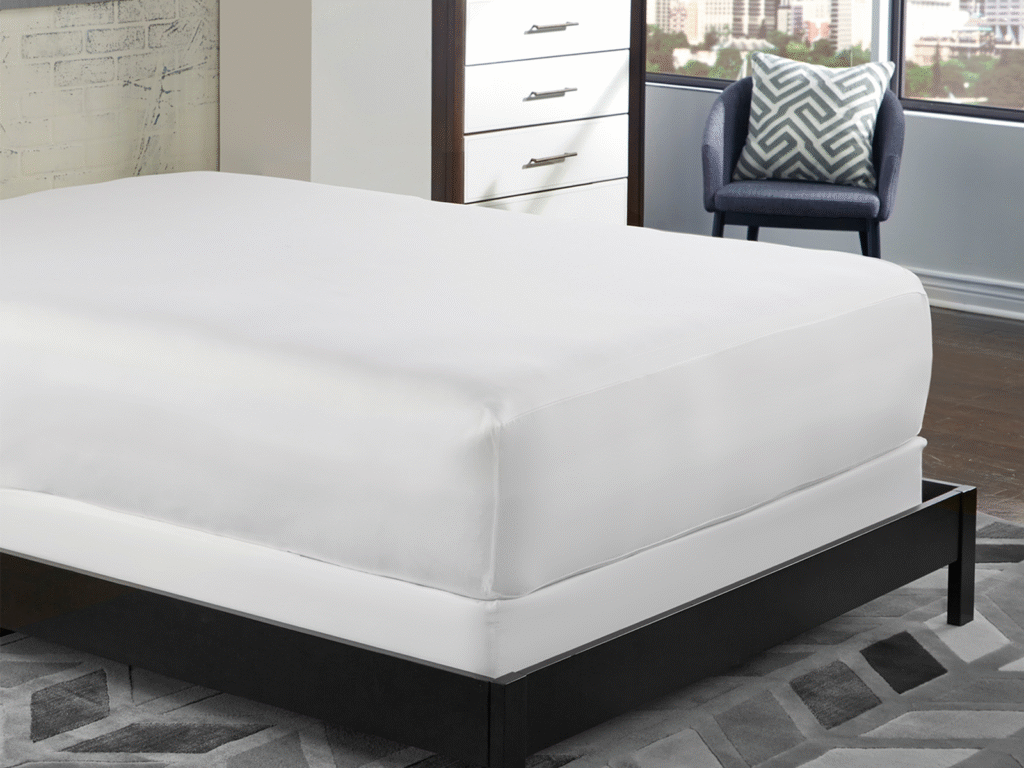
A quality waterproof mattress protector is the single best thing you can do for mattress longevity. It blocks sweat, spills, dust mites, and dead skin from reaching the mattress itself. In Florida’s humid climate, a protector also adds a moisture barrier that helps prevent mold and mildew growth inside the mattress. Look for a breathable, waterproof option that won’t trap heat.
Rotate Your Mattress Regularly
Rotating your mattress 180 degrees every 3 to 6 months distributes wear more evenly. This prevents the body impressions that form when you sleep in the same spot every night. Most modern mattresses are one-sided (no flipping needed), but rotation still makes a meaningful difference. Check your manufacturer’s guidelines for specific recommendations.
Keep Your Mattress Clean and Dry
Vacuum your mattress surface every few months to remove dust, skin cells, and debris. If you spill something, blot it immediately and let the area dry completely before remaking the bed. In humid regions, running a dehumidifier in the bedroom can help keep moisture levels in check and reduce the risk of mold growth.
Avoid Excessive Weight on the Surface
Sitting on the same edge of the bed every day, letting kids jump on it, or placing heavy objects on the surface all accelerate wear in concentrated areas. Distribute weight as evenly as possible and avoid using your mattress as a couch or workspace.
Use a Proper Bed Frame or Foundation
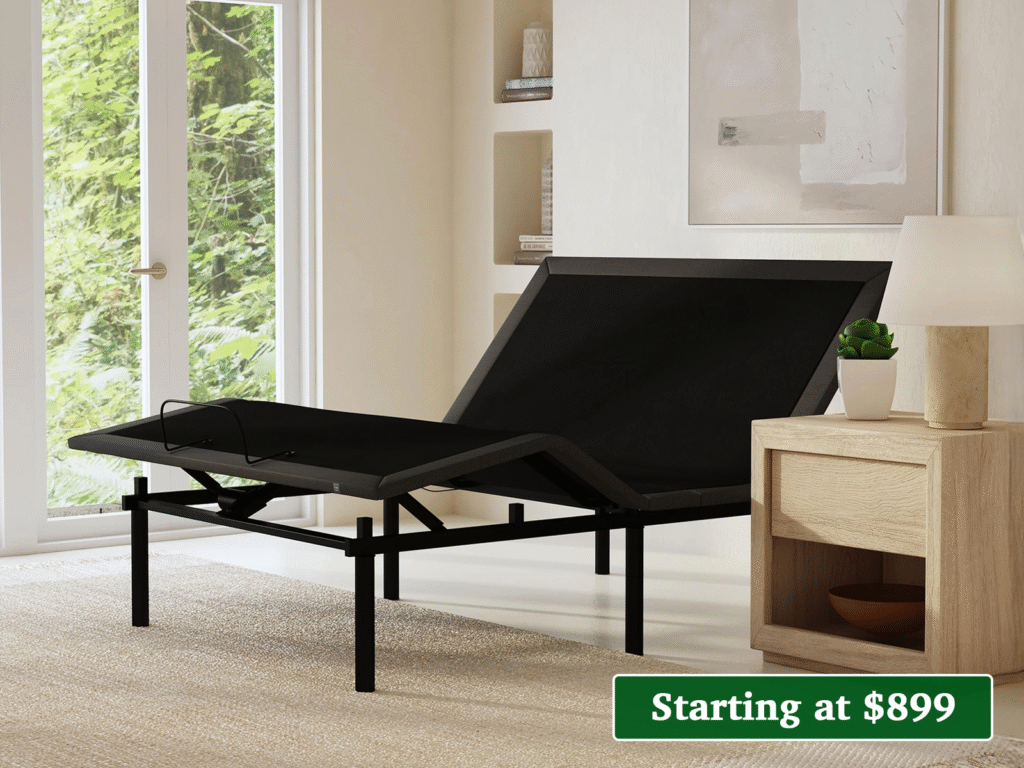
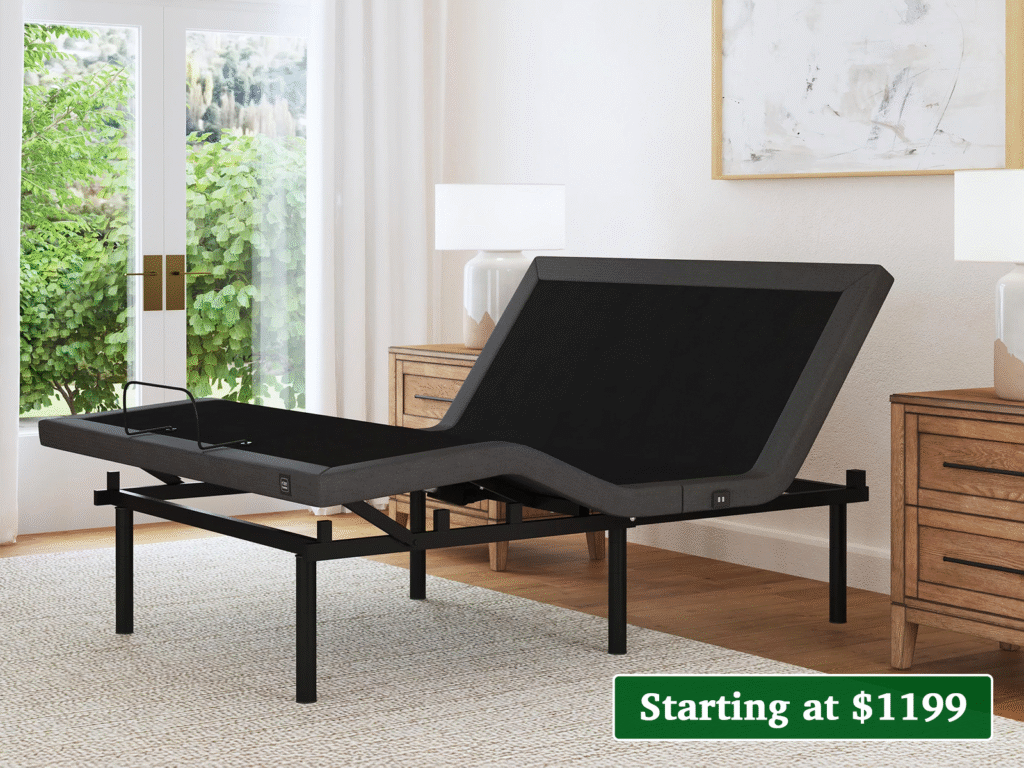
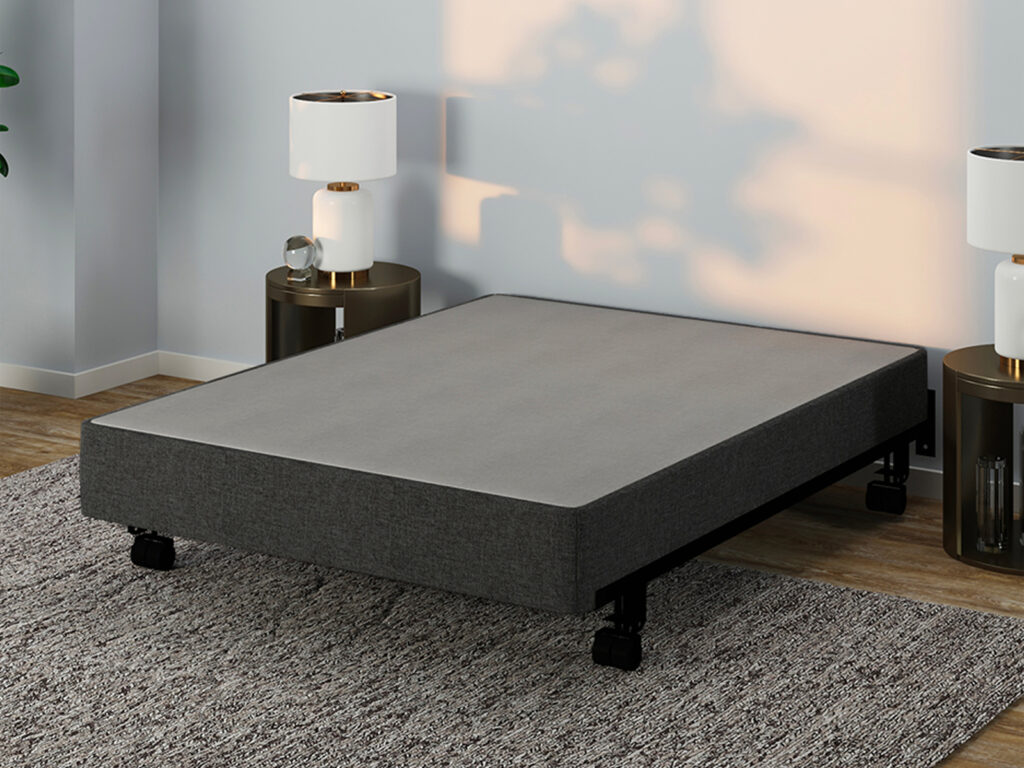
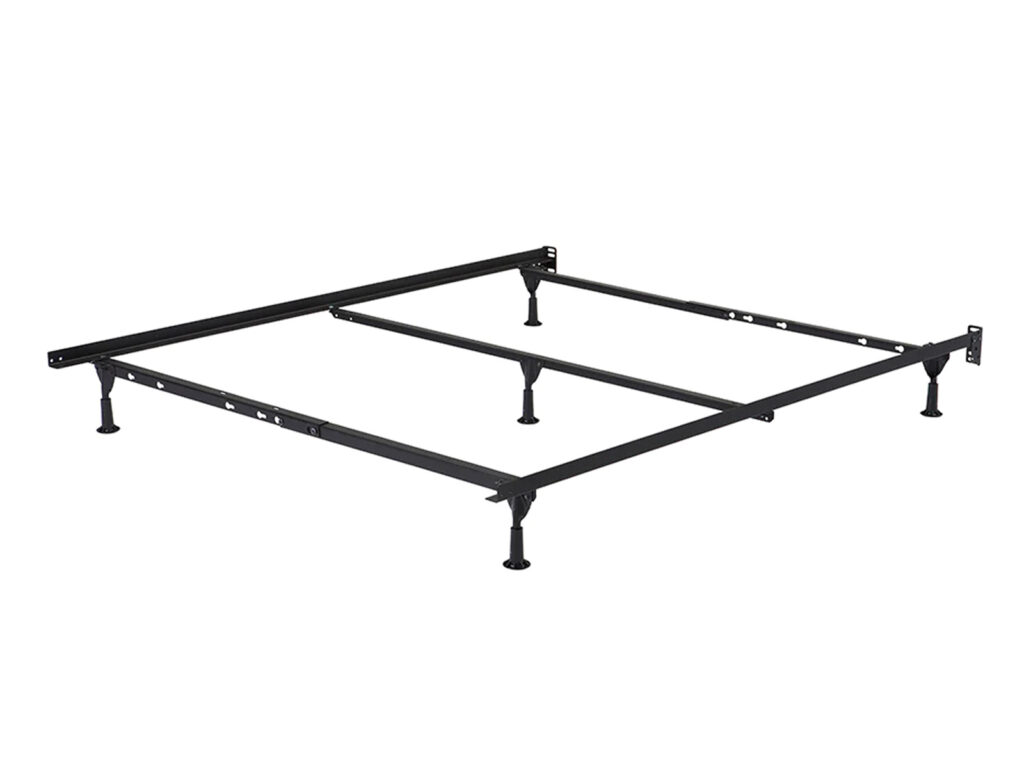
Your mattress needs consistent, even support from below. A sagging or broken bed frame can cause a perfectly good mattress to develop dips and uneven wear. Make sure your frame or foundation matches the mattress manufacturer’s specifications. For larger mattresses (queen and king), a center support bar or additional legs in the middle prevent long-term sagging. Learn more about proper mattress support to get the most from your investment.
Ready to Replace Your Mattress?
If you recognized several of the signs above, it’s probably time. And when you’re ready, choosing the right replacement matters just as much as knowing when to make the switch. Knowing what to look for in a mattress store helps you avoid high-pressure sales floors and find a team you can trust.
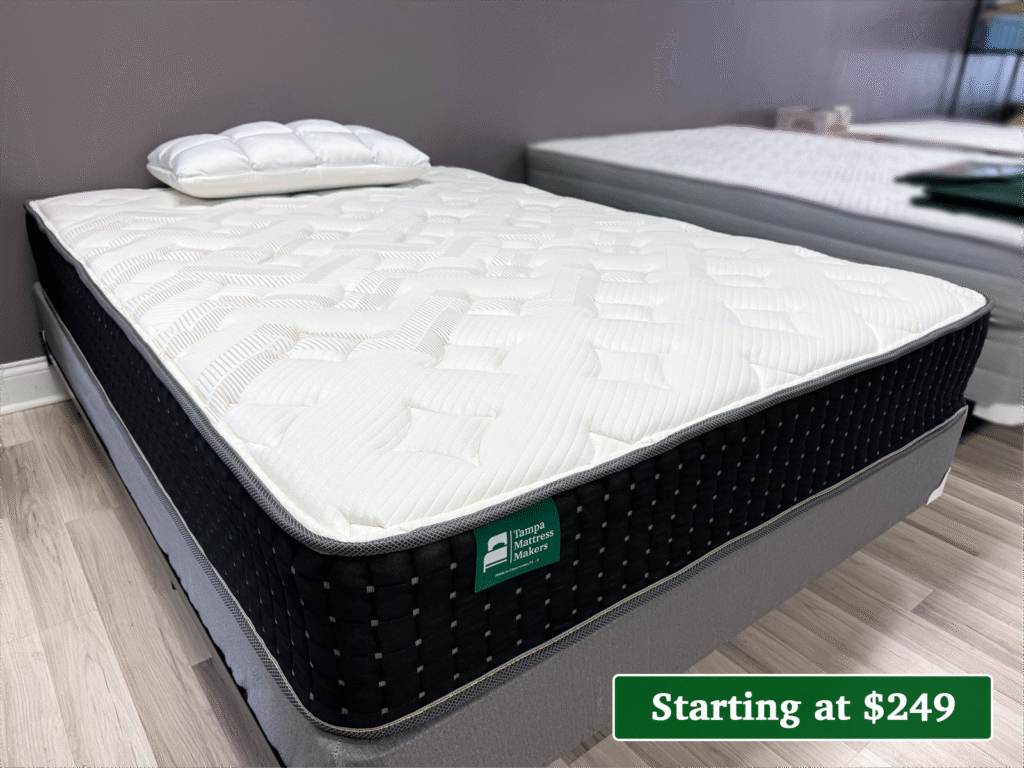
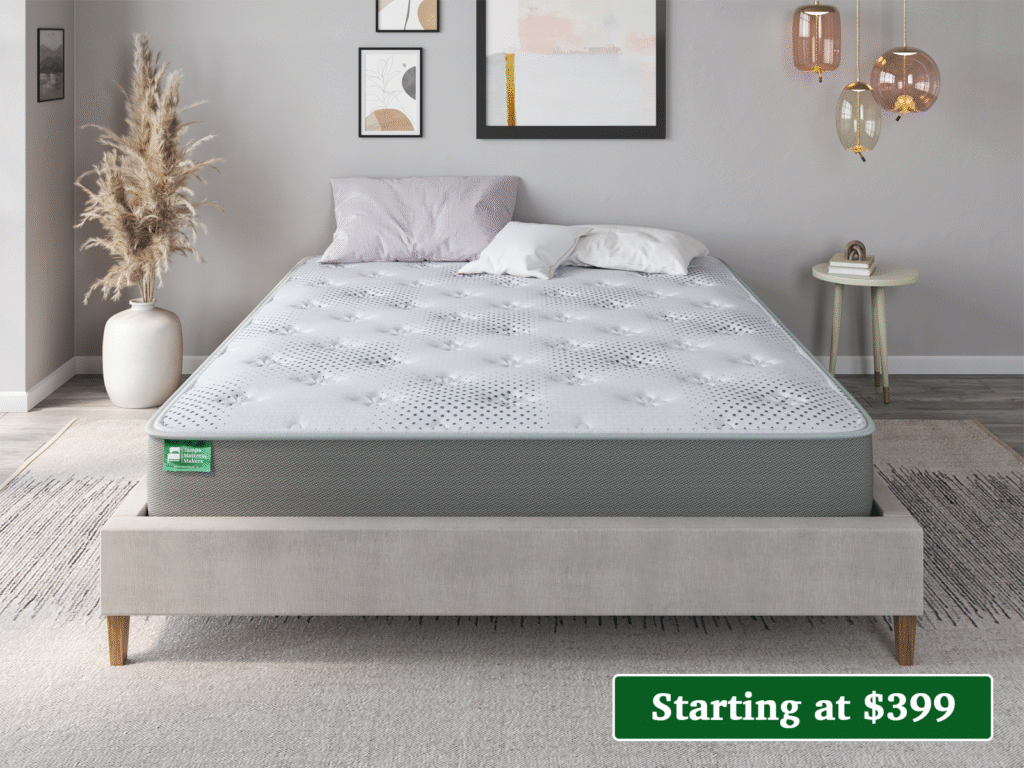
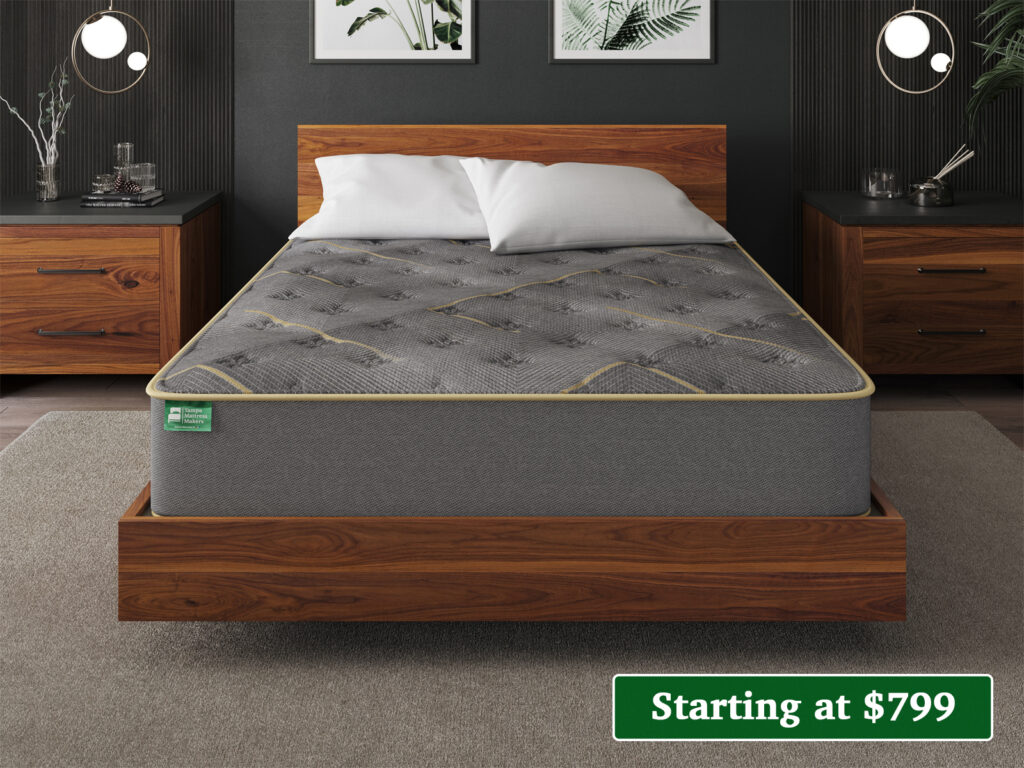
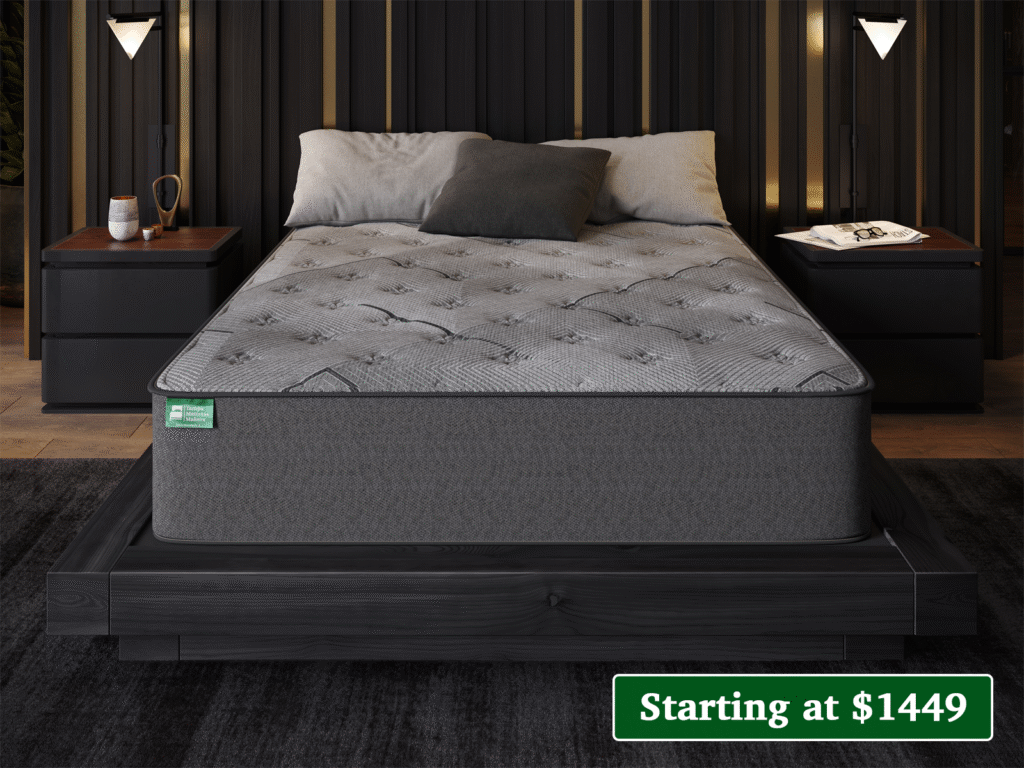
At Tampa Mattress Makers, every mattress is handcrafted locally and built with CertiPUR-US certified foams. Whether you need firm support for back pain or a plush surface for side sleeping, our collections are designed to match how you actually sleep.
Not sure where to start? Our mattress buying guide walks you through what to look for, or browse our mattress collections to see the full lineup. You can also visit us in person at our Palm Harbor or Venice showrooms, where you can test every model before you buy.
We also offer a 100-Night Comfort Adjustment Program, so you’re never locked into a mattress that doesn’t work for you. Find the right mattress for your sleep style and start sleeping better.
Time for a New Mattress?
If several of these signs sound familiar, a new mattress could make a real difference in how you sleep and feel. At Tampa Mattress Makers, we handcraft every mattress in the USA using CertiPUR-US certified materials. Visit our showrooms in Palm Harbor or Venice to try our collections, or use our mattress buying guide to figure out what type and firmness fits your body. Every purchase includes our 100-Night Comfort Adjustment Program.
Frequently Asked Questions
How often should you replace your mattress?
Most mattresses should be replaced every 7 to 10 years. The exact timeline depends on the mattress type, your body weight, how well you’ve maintained it, and whether you’re experiencing signs of wear like sagging, aches, or worsened allergies. Latex mattresses can last 12 to 15 years, while innerspring models may need replacing after 5 to 7 years.
How long do mattresses last?
The average mattress lasts 7 to 10 years. Innerspring mattresses tend to wear out fastest (5 to 7 years), followed by memory foam and hybrids (7 to 10 years). Natural latex mattresses are the most durable, often lasting 12 to 15 years or longer with proper care. Climate, body weight, and maintenance all influence lifespan.
What are the signs you need a new mattress?
The most common signs include visible sagging or lumps, waking up with back or joint pain, sleeping better at hotels or other beds, increased tossing and turning, worsening allergies or congestion in the morning, creaking noises, feeling your partner’s movements, and visible surface wear. If your mattress is over 7 years old and you notice any of these, it’s likely time to replace it.
Can a mattress topper fix a worn-out mattress?
A topper can add a temporary comfort layer, but it cannot fix structural problems like sagging, broken coils, or compressed foam. If the support system inside your mattress has deteriorated, a topper may mask the symptoms for a few months without addressing the underlying issue. Once you see sagging of more than 1 inch, a new mattress is the better investment.
Do mattresses last longer in dry climates?
Generally, yes. Humidity accelerates the breakdown of foam materials and creates conditions that favor dust mite and mold growth. In warm, humid areas like Tampa and the Gulf Coast of Florida, mattresses may not reach the upper end of their expected lifespan unless you use a mattress protector and control bedroom humidity levels.
How do I know if my mattress is causing my back pain?
If you wake up stiff or sore, particularly in your lower back, hips, or shoulders, and the pain fades within 15 to 30 minutes of getting up, your mattress is a likely contributor. Try sleeping on a different surface for a few nights. If the pain improves, your mattress has lost the support your body needs.